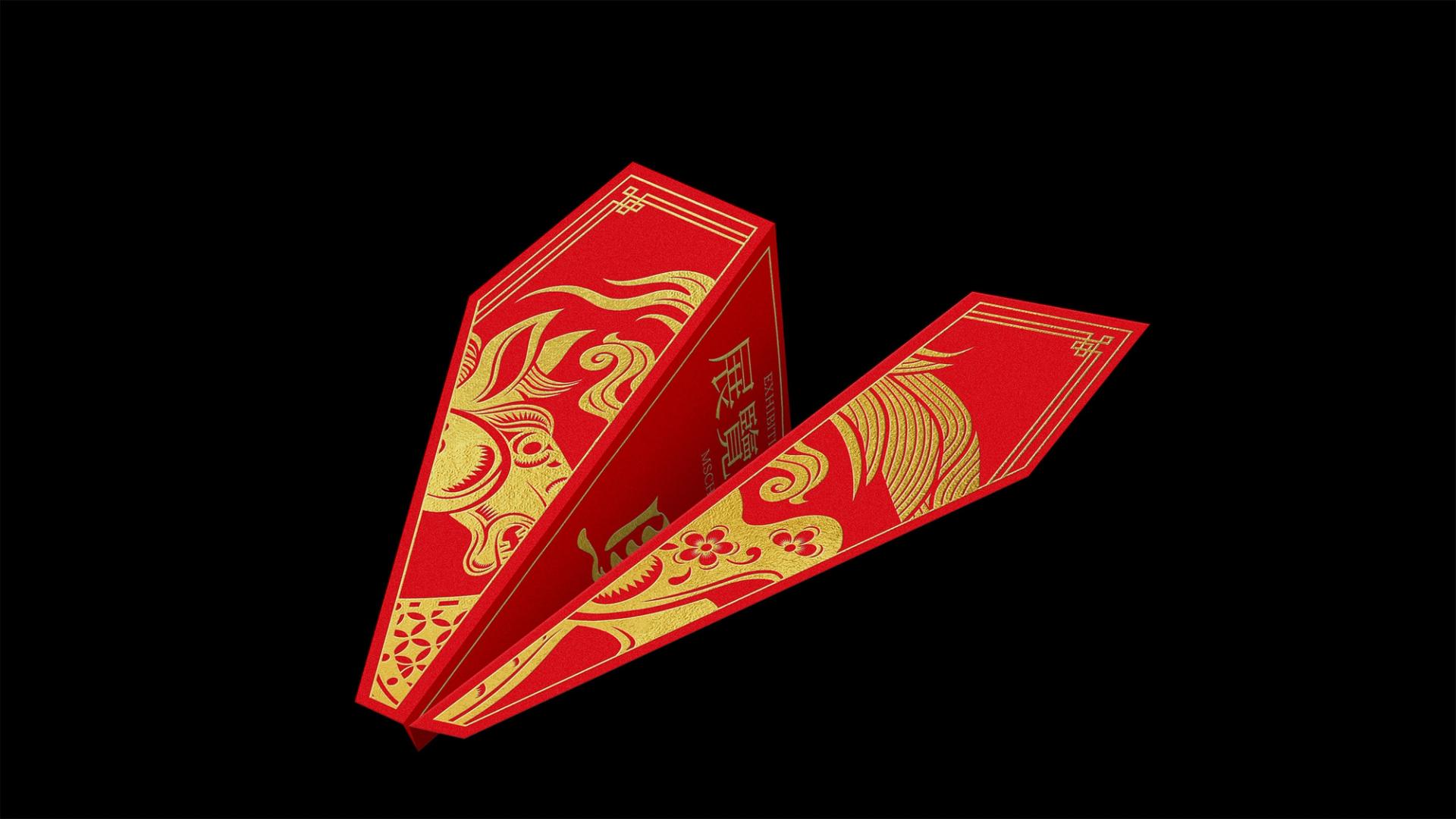
20,000 VARIATIONS ON A PAPER PLANE IN FLIGHT
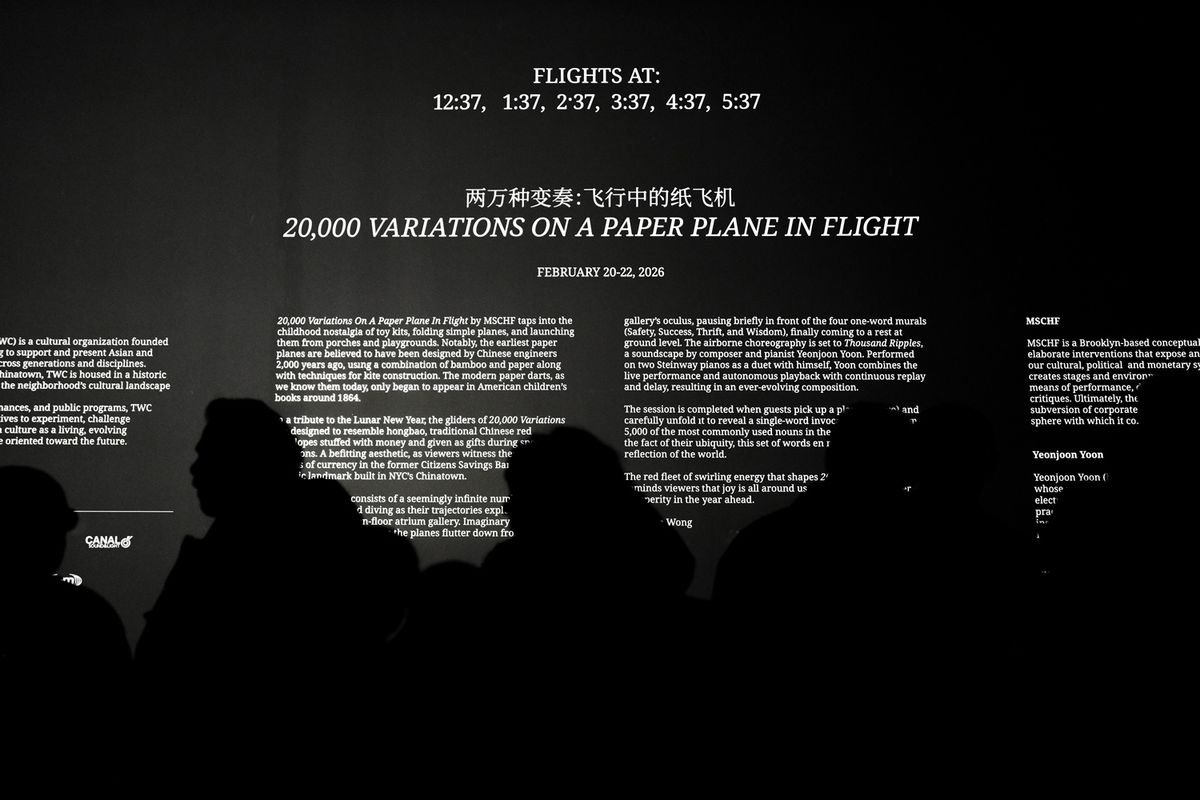
20,000 Variations On A Paper Plane In Flight by MSCHF taps into the childhood nostalgia of toy kits, folding simple planes, and launching them from porches and playgrounds. Notably, the earliest paper planes are believed to have been designed by Chinese engineers 2,000 years ago, using a combination of bamboo and paper along with techniques for kite construction. The modern paper darts, as we know them today, only began to appear in American children’s books around 1864.
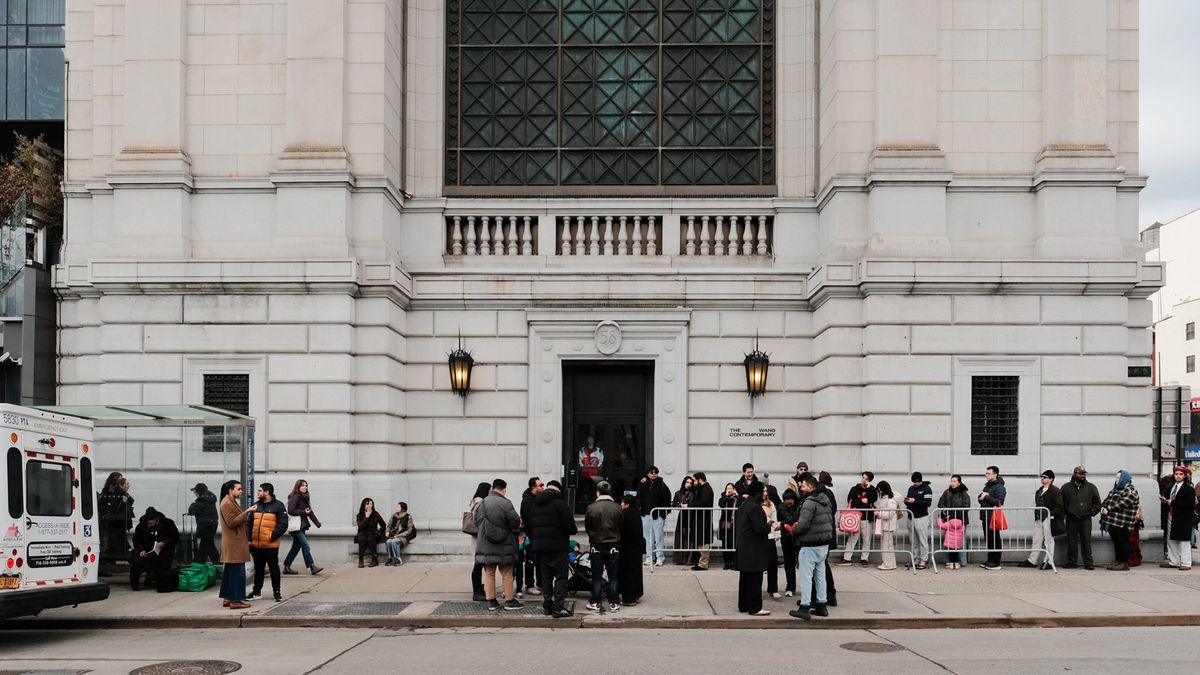
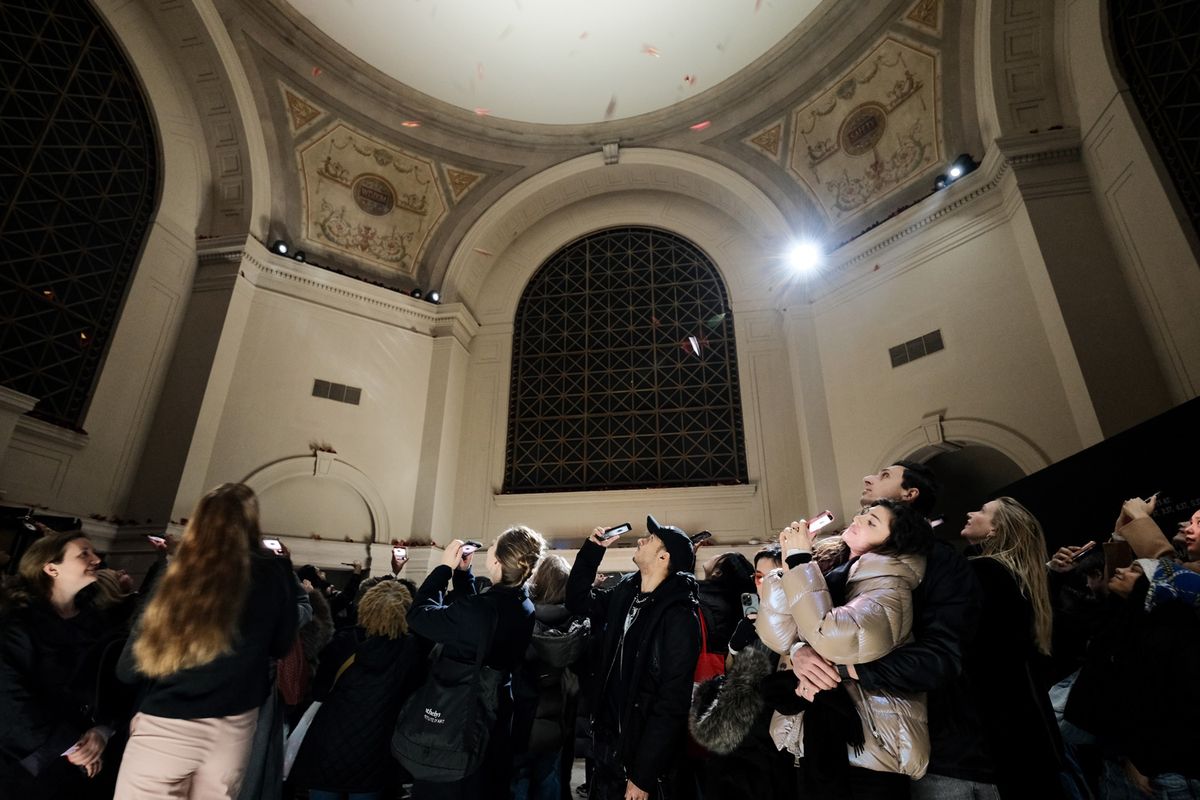
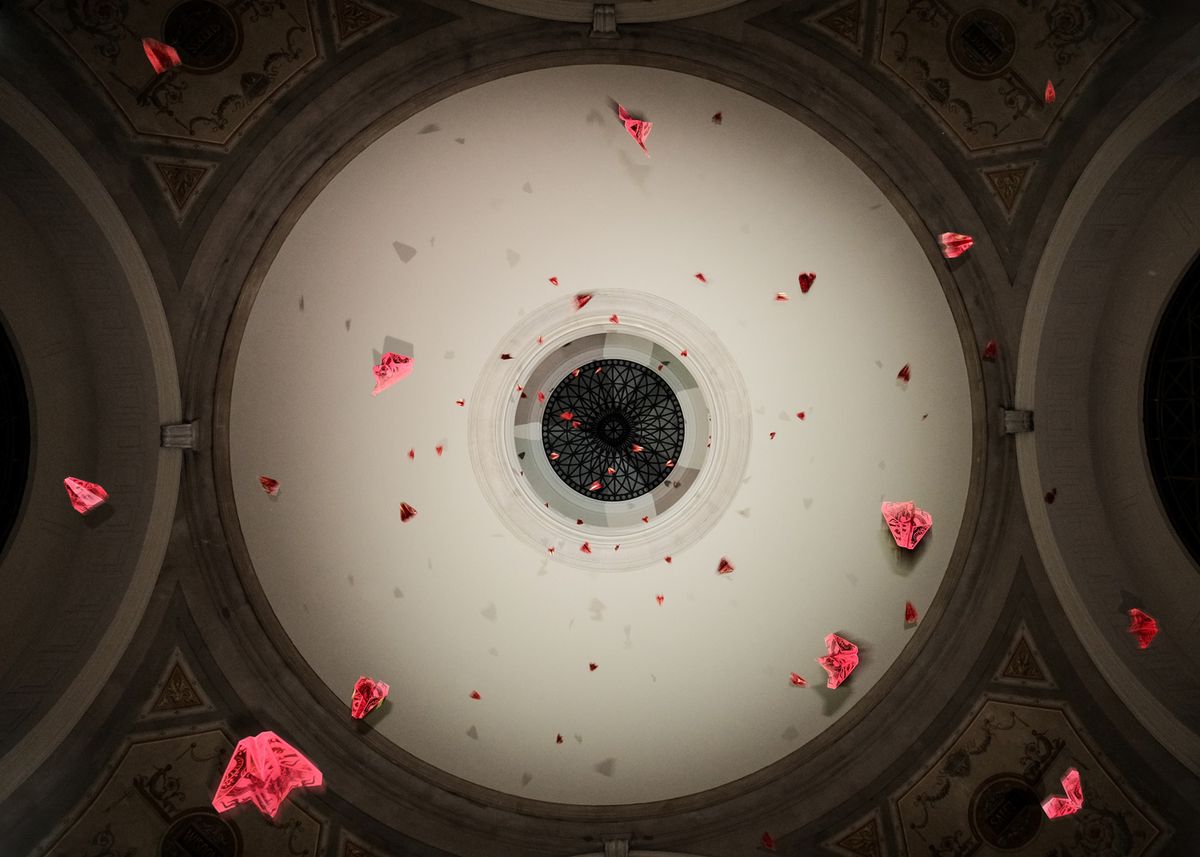
In a tribute to the Lunar New Year, the gliders of 20,000 Variations are designed to resemble hongbao, traditional Chinese red envelopes stuffed with money and given as gifts during special occasions. A befitting aesthetic, as viewers witness these cascading vessels of currency in the former Citizens Savings Bank, a 1924 historic landmark built in NYC’s Chinatown.
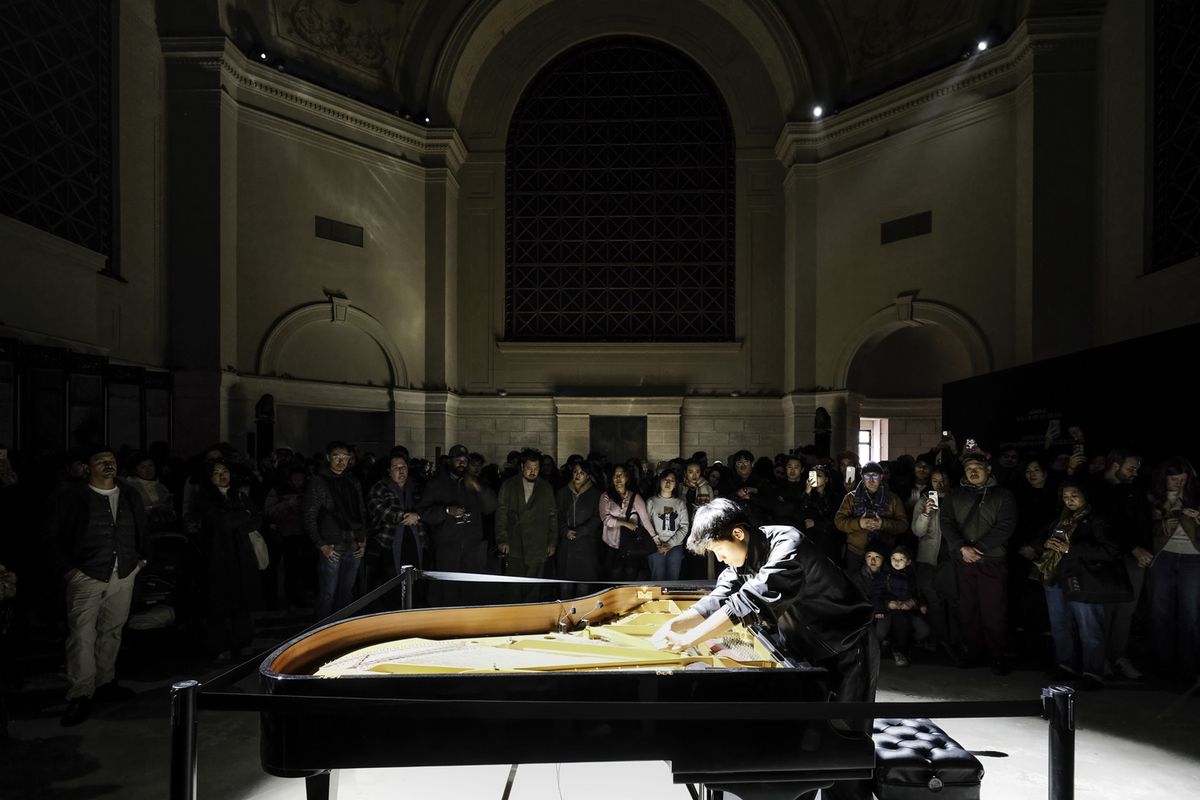
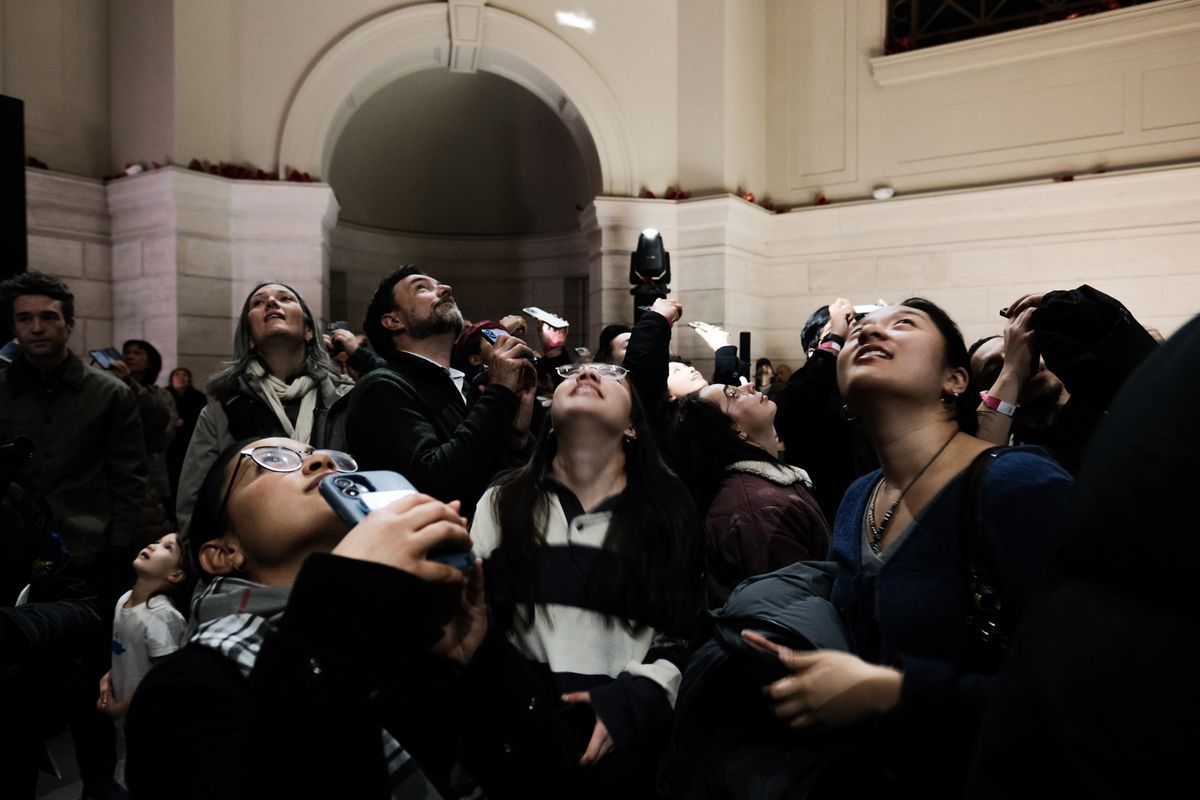
The performance consists of a seemingly infinite number of paper planes, whirling and diving as their trajectories explore the boundaries of a seven-floor atrium gallery. Imaginary contrails trace downwards from above, as the planes flutter down from the gallery’s oculus, pausing briefly in front of the four one-word murals (Safety, Success, Thrift, and Wisdom), finally coming to a rest at ground level. The airborne choreography is set to Thousand Ripples, a soundscape by composer and pianist Yeonjoon Yoon. Performed on two Steinway pianos as a duet with himself, Yoon combines the live performance and autonomous playback with continuous replay and delay, resulting in an ever-evolving composition.
The session is completed when guests pick up a plane (or two) and carefully unfold it to reveal a single-word invocation, drawn from 5,000 of the most commonly used nouns in the English language. By the fact of their ubiquity, this set of words en masse forms a loose reflection of the world.
The red fleet of swirling energy that shapes 20,000 Variations reminds viewers that joy is all around us, as we wish each other prosperity in the year ahead. — Karen Wong
ABOUT MSCHF
MSCHF is a Brooklyn-based conceptual collective developing elaborate interventions that expose and leverage the absurdity of our cultural, political, and monetary systems. In its practice, MSCHF creates stages and environments that provoke public response as a means of performance, directly within the environments it critiques. Ultimately, the collective itself represents an intricate subversion of corporate structure, that seeks to challenge every sphere with which it comes into contact.
WITH THANKS TO